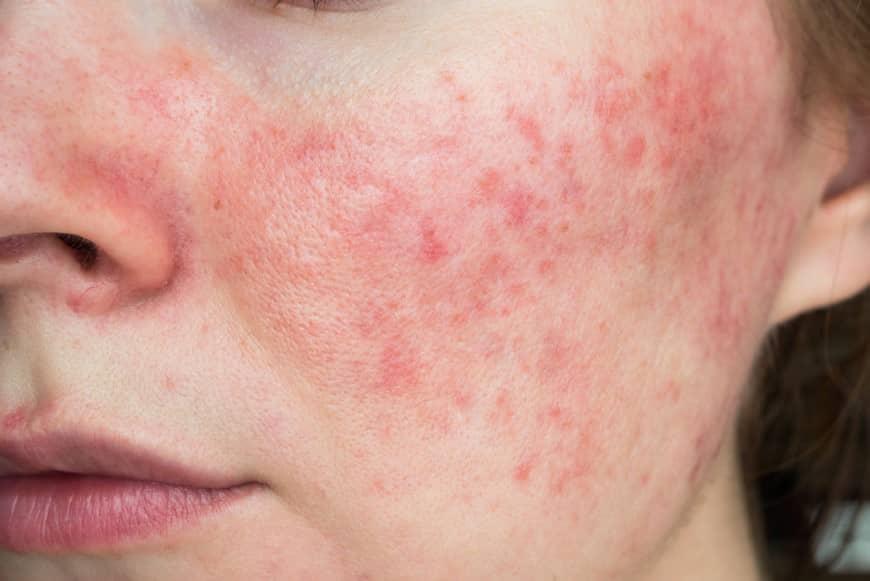
What Is Rosacea Treatment?
Rosacea treatment is performed with medical creams, antibiotics and laser systems to reduce redness and visible vessels.
The treatment plan is customized based on the severity of the condition and the patient’s skin type. Mild cases are managed with topical creams, while more advanced cases may require oral antibiotics or vascular-targeting laser devices.
Gentle cleansers, sunscreens and products formulated specifically for rosacea help support the process. Treatment success depends heavily on avoiding triggers. Regular follow-up and dermatological supervision are essential.
What Causes Rosacea?
Rosacea develops through a combination of genetic predisposition, immune system sensitivity and environmental factors.
Widening of superficial vessels and inflammation caused by abnormal immune signaling are key mechanisms. Sunlight, hot drinks, alcohol, spicy foods and stress are common triggers that worsen symptoms.
Certain microorganisms, especially Demodex mites, may also contribute. A weakened skin barrier and hormonal fluctuations increase the likelihood of rosacea. Because triggers vary among individuals, personalized assessment is important.
What Are the Symptoms?
Rosacea symptoms include persistent redness and visible small vessels on the cheeks, nose, forehead and chin.
In advanced stages, thickening of the skin, swelling, acne-like bumps and a burning sensation may develop. Dryness, stinging and irritation in the eyes may also occur.
Symptoms may flare periodically and become permanent if untreated. Heat, stress, alcohol and spicy foods often provoke worsening. Early diagnosis and proper treatment help keep symptoms under control.
Which Skin Types Are More Affected?
Rosacea is more common in fair-skinned, sensitive and redness-prone skin types.
It is especially prevalent in individuals of Northern European descent and those with low sun tolerance. People with thin, dry and barrier-deficient skin have a higher risk.
Skin that reacts quickly to environmental factors or shows early vessel prominence may develop rosacea at a younger age. Consistent moisturization, sun protection and gentle skincare are essential for these skin types.
How Is Rosacea Diagnosed?
Diagnosis is based on persistent redness, vessel dilation and acne-like lesions on the central face.
Eye symptoms such as dryness or burning may indicate ocular rosacea.
Because several conditions mimic rosacea (such as acne or eczema), professional evaluation is important. If necessary, dermatoscopy or biopsy may be performed. Early diagnosis plays a significant role in planning an effective long-term treatment.
How Is Rosacea Treated With Laser?
Laser rosacea treatment targets enlarged blood vessels to reduce redness.
IPL (intense pulsed light) and vascular lasers heat vessel walls, causing them to shrink and become less visible. The energy selectively targets vessels without harming surrounding tissue.
Sessions are usually spaced 3–4 weeks apart, and mild post-treatment redness is normal. Sun protection after treatment is essential. Laser therapy can provide strong and lasting results in cases unresponsive to medication.
Are Creams and Medications Effective?
Yes, appropriate creams and medications are highly effective in easing rosacea symptoms.
Topical antibiotics reduce inflammation and redness. Oral antibiotics are used in more severe cases and help control infection risk.
Anti-inflammatory gels and non-retinoid formulas for sensitive skin may also be recommended. Gentle, soap-free cleansers and alcohol-free toners are preferred.
Consistency and choosing products suitable for the skin type are crucial. Avoiding triggers greatly enhances treatment success.
How Long Does Treatment Take?
Rosacea treatment usually takes 4 to 12 weeks, but may extend depending on the condition.
Topical and oral therapies often provide visible improvement within the first month. Long-term control requires avoiding triggers and maintaining a proper skincare routine.
Laser procedures may act more quickly, but healing intervals vary by skin type. Treatment must be personalized and supervised by a dermatologist.
How Many Laser Sessions Are Needed?
Rosacea laser treatment is typically completed in 3 to 5 sessions.
The number of sessions depends on the extent of redness, skin type and vessel density. Each session lasts about 20–30 minutes, spaced 3–4 weeks apart.
Redness may decrease after the first session, but completing the full series ensures durable results. Sun protection and proper aftercare help maintain improvement.
Does Laser Cure Rosacea Completely?
Laser therapy significantly reduces symptoms but does not completely cure rosacea.
It effectively treats redness, visible vessels and discoloration, yet rosacea is a chronic condition prone to recurrence. Environmental and genetic factors may cause symptoms to return.
Consistent sun protection, appropriate skincare and avoiding triggers help prolong results. When combined with medication, laser provides stronger outcomes.
Does Rosacea Return After Treatment?
Yes, symptoms may return over time and flare-ups can occur.
Treatment helps control redness, vessel dilation and inflammation. However, heat, alcohol, spicy food, stress and unsuitable cosmetics may trigger recurrences.
Lifestyle adjustments and regular skincare reduce this risk. Ongoing dermatological follow-up allows timely management of flare-ups.
When Should Someone See a Doctor?
A dermatologist should be consulted if persistent redness, burning or acne-like lesions appear on the face.
Early evaluation increases treatment success. Eye discomfort, increased sensitivity or visible vessels may also indicate rosacea. Incorrect product use may worsen symptoms, making professional assessment essential.
How Should Rosacea Be Managed at Home?
Rosacea-friendly home care requires gentle, non-irritating products and a consistent routine.
Fragrance-free, alcohol-free and hydrating formulas are recommended. Cleanse twice daily with lukewarm water, then apply a soothing moisturizer. Daily sunscreen is essential, as sunlight strongly triggers rosacea.
Avoiding heat, spicy foods and stress helps prevent flares. While home care supports treatment, sudden changes should be evaluated by a dermatologist.
How Many Laser Sessions Are Needed for Rosacea?
Laser rosacea treatment generally requires 3 to 6 sessions, depending on individual needs.
Sessions are spaced about 4 weeks apart. Mild cases may improve in 2–3 sessions, while more pronounced vascular issues may require 5–6.
The aim is to reduce redness and vessel prominence. Mild redness and sensitivity after treatment are normal.
What Should Be Considered After Treatment?
After treatment, protecting the skin from sunlight and maintaining gentle skincare are crucial.
Direct UV exposure can cause pigmentation and irritation, so high-SPF sunscreen must be used. Cleansing should be done with mild products. Avoid alcohol-based formulas. Makeup, hot showers and steam should be avoided for the first days.
Hydration supports healing. Avoid waxing, peeling and other irritating procedures. Correct aftercare strengthens treatment results.
Rosacea Treatment Prices 2026
Rosacea treatment prices in 2026 vary depending on the method used, severity of symptoms and number of sessions.
Laser procedures, medication-supported treatment and skincare protocols differ in cost. Because each face is unique, the plan and number of sessions are determined after examination. The goal is to reduce redness and visible vessels.
For detailed information and a personalized price assessment, contact us.