What Is Stem Cell Therapy? (For Hair Loss)
Stem cell therapy is an innovative method used to stop hair loss and reactivate weakened hair follicles.
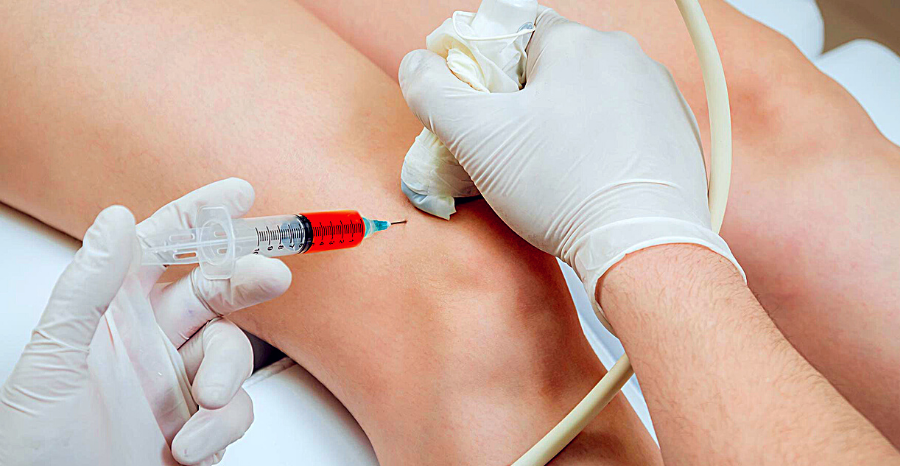
The procedure is performed by injecting stem cells obtained from the patient’s own fat tissue or body fluid into the scalp. These cells repair damaged follicles, support cell regeneration and restart the hair-production process.
Because it is natural, the risk of allergic reaction is very low and long-term benefits can be achieved. Stem cell therapy provides a stronger regenerative effect compared to PRP. Recovery is quick after the session and the procedure is generally painless. It is an effective option for improving hair quality and reducing shedding.
How Do Stem Cells Work for Hair Loss?
Stem cells repair hair follicles, support new cell formation and reduce shedding.
The treatment sends an intensive regeneration signal to weakened follicles, helping them recover. The injected stem cells increase collagen and elastin production in the scalp, improving nourishment and supporting hair growth.
Since it repairs cellular damage that triggers hair loss, it is especially effective for advanced thinning. After treatment, hair strands become thicker, density increases and a healthier growth cycle begins. Visible results typically appear within 2–3 months.
Which Types of Hair Loss Can Be Treated?
Stem cell therapy can be used for genetic, hormonal, stress-related and seasonal hair loss.
It is suitable for androgenetic alopecia, female-pattern hair thinning, postpartum hair loss and people experiencing reduced density. As long as follicles are not completely destroyed, stem cells may reactivate them.
It can also be used as a supportive treatment after hair transplantation. However, it is not recommended in cases of active infection, open scalp wounds or certain systemic illnesses. A dermatologist must confirm suitability before treatment.
How Is Stem Cell Therapy Performed?
Stem cell therapy is performed by injecting cells derived from the patient’s own tissue into the scalp.
The procedure usually begins with extracting a small amount of fat tissue from the abdomen or hip area. This tissue is processed to obtain a stem-cell-rich solution. The concentrated stem cells are then injected into areas affected by hair loss using micro-injection techniques.
The treatment is performed under local anesthesia and takes about 45–60 minutes. Patients can return to daily activities immediately. Stem cells repair follicles and naturally stimulate hair growth.
How Long Does the Treatment Process Take?
Stem cell therapy is usually performed in a single session, with results appearing within 2–3 months.
The procedure takes about one hour, and the recovery period is minimal. Initial improvement typically begins within 6–8 weeks. Depending on the severity of hair loss, additional sessions may be recommended.
To achieve maximum benefit, some individuals may receive more than one session in the first year, followed by yearly maintenance sessions. Over the long term, hair strands become thicker and shedding decreases.
Who Can Benefit From Stem Cell Therapy?
Anyone experiencing hair loss, thinning or loss of density can benefit from stem cell therapy.
It is suitable for both men and women as long as hair follicles remain active. It provides positive results in genetic hair loss, postpartum shedding, seasonal thinning and stress-related hair problems.
It is also used as supportive care after hair transplantation. However, it is not recommended for pregnant women, cancer patients or individuals with active infections. A dermatologist must evaluate treatment suitability.
Does Stem Cell Therapy Stimulate New Hair Growth?
Yes, stem cell therapy can activate follicles and support new hair growth.
It revitalizes weakened follicles and accelerates the hair-growth cycle. It is especially effective in areas where follicles are still present but inactive. Stem cells trigger regeneration in the scalp, leading to natural healing and improved growth.
Initial results usually appear within 6–8 weeks, with full results developing over several months.
Are There Any Side Effects?
Stem cell therapy has no serious side effects, although mild redness or bruising may occur at the injection sites.
Since the treatment uses the patient’s own cells, allergy risk is extremely low. Temporary sensitivity, swelling or itching may occur and generally resolves within a few days.
When performed in sterile conditions by trained specialists, the risk of infection is very low. The treatment is not recommended during pregnancy, breastfeeding or in certain systemic diseases. A detailed medical evaluation is essential to reduce risks.
What Should Be Considered After Treatment?
For the first 24 hours after treatment, hair should not be washed, and intense exercise and sun exposure should be avoided.
The scalp becomes sensitive, so hot showers, sauna, sea and pool activities should be avoided.
Avoiding alcohol and smoking helps the healing process. Sun protection is important to prevent irritation. For the first few days, heat-based hair tools such as blow dryers and straighteners should not be used.
How Does It Differ From Other Hair Treatments?
Stem cell therapy targets hair loss at the cellular level and provides deeper effects compared to other methods.
While PRP, mesotherapy and serum-based treatments offer supportive and more superficial effects, stem cell therapy triggers actual cellular regeneration. Cells derived from the patient’s own tissue initiate a repair process within the follicles.
This method improves both long-term stability and hair quality. The procedure is longer and typically more costly, but offers better results for stubborn or advanced hair loss. The most suitable treatment option depends on the individual’s hair-loss type and needs.
Stem Cell Therapy Prices 2026
Stem cell therapy prices in 2026 vary depending on the treatment area, technology used and the number of planned sessions. Applications are tailored for different needs such as skin regeneration, tissue repair or hair restoration. Therefore, giving an exact price is not possible. After examination, the most appropriate plan is determined. Prices may vary depending on technique and treatment goals. The aim is to achieve a healthier and more youthful appearance.
For detailed information and a personalized price assessment, contact us.
Does Stem Cell Therapy Really Grow Hair?
Yes, stem cell therapy can stimulate new hair growth by revitalizing weakened follicles.
It triggers cell regeneration in the follicles and activates the hair-growth cycle. It is especially effective in areas where follicles are still present.
However, success depends on follicle activity and individual factors. In fully bald areas where follicles are dead, results may be limited. Although scientifically supported, outcomes vary between individuals. Expectations should be realistic and monitored by a specialist.
When Does New Hair Grow After Stem Cell Therapy?
New hair growth usually begins within 6–8 weeks, with full improvement taking several months.
Follicles gradually revive and the growth cycle becomes active. The first visible changes often appear in the second month, with thicker strands and reduced shedding.
For best results, healthy nutrition, stress control and proper hair care are important. While results vary, consistent follow-up increases success. Significant density improvement is often observed after the third month.
Can Women Also Have Stem Cell Therapy?
Yes, stem cell therapy can be safely applied to women to reduce shedding and improve hair quality.
It is effective for female-pattern hair thinning, hormonal hair loss and postpartum shedding. By repairing follicles, stem cells help produce stronger and healthier strands.
A specialist must perform a scalp and hair analysis before treatment. It is not recommended during pregnancy or breastfeeding. Aftercare and sun protection are important for women as well.
Does Stem Cell Therapy Completely Stop Hair Loss?
Stem cell therapy can significantly reduce hair loss, but complete stoppage cannot be guaranteed.
It repairs follicles and slows shedding, especially in early-stage hair loss.
However, in cases driven by genetic, hormonal or systemic conditions, it may not be sufficient alone. Lifestyle habits, stress and hair care routines influence long-term results. Combined treatments and regular check-ups improve outcomes.
How Many Sessions Does Stem Cell Hair Therapy Require?
Stem cell therapy for hair is generally performed in 1 to 3 sessions, depending on individual needs.
Some patients achieve good results in a single session, while others may require multiple sessions based on hair-loss severity. Sessions are usually spaced 1–2 months apart, and results begin to appear within 2–3 months.
Annual maintenance may be recommended depending on the healing process. A detailed hair analysis determines the exact number of sessions. Following aftercare instructions greatly enhances success.