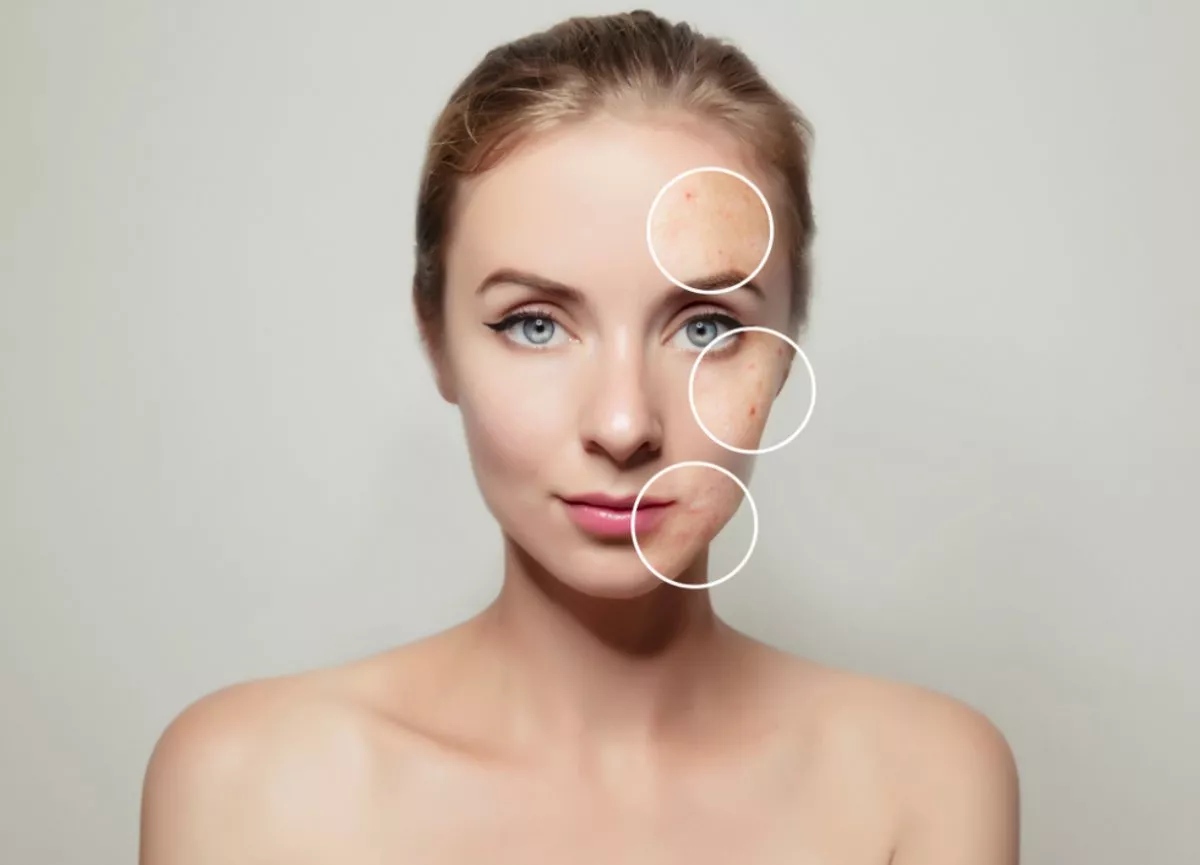
What Is Scar Treatment With Fractional Laser?
Scar treatment with fractional laser is an effective aesthetic procedure that renews the skin surface and reduces the appearance of scars.
This method targets various types of scars, including acne scars, post-surgical marks and burn-related discoloration. Laser beams create controlled micro-injuries in the skin to stimulate collagen production. As collagen increases, the skin begins to repair itself and scars gradually soften. The treatment is personalized and visible improvement is achieved after several sessions. Proper skincare and sun protection after each session are essential for the best results.
How Does Fractional Laser Improve Scars?
Fractional laser creates micro-channels in the skin, triggering collagen production and repairing scars from within.
The procedure activates fibroblasts beneath the skin, initiating the regeneration process. Over time, the texture becomes smoother and the appearance of scars decreases. It is especially effective for atrophic, indented acne scars. Since the laser targets only the scarred area, it does not damage surrounding tissue. With each session, the skin becomes healthier, firmer and more even-toned. Mild redness for a few days after treatment is normal.
Which Types of Scars Can Be Treated?
Fractional laser is effective for acne scars, surgical scars, trauma scars and burn marks.
The best results are seen in shallow, indented or superficial scars. In deeper scars, the laser significantly improves the appearance but may not eliminate them completely. It also works well for pigment irregularities, enlarged pores and fine lines. However, raised scars such as keloids require different treatment methods. The treatment must be personalized based on skin type and scar characteristics.
What Is the Treatment Process Like?
A typical fractional laser session lasts 30–45 minutes and comfort is ensured with a topical anesthetic cream.
The skin is first cleansed and numbing cream is applied. The laser device is then used to deliver micro-beams of light to the scarred areas, creating tiny controlled channels. This initiates the skin renewal process and stimulates collagen. Mild burning or redness may occur after the procedure. Cold compresses can help reduce discomfort. Light crusting may appear within a few days, which is a normal part of healing.
How Many Sessions Are Needed?
Fractional laser scar treatment usually requires 3 to 5 sessions.
The number of sessions depends on the depth, type and severity of the scars. Mild acne scars may improve within 2–3 sessions, while deeper scars may require more. A 4–6 week interval between sessions supports healthy skin recovery. Improvement continues gradually throughout the treatment process. With each session, the skin becomes smoother and more refined.
How Long Is the Recovery Period?
Recovery after fractional laser treatment typically takes 5 to 7 days.
Redness, swelling and sensitivity may appear during the first few days. Crusting and light peeling often begin around day 2 or 3. During this time, it is essential to avoid scratching, keep the skin moisturized and protect it from sun exposure. By the end of the first week, the skin is mostly healed. Full regeneration takes 3–4 weeks. Following aftercare instructions speeds up recovery and improves long-term results.
How Is Fractional Laser Different From Other Scar Treatments?
Fractional laser is a controlled, targeted treatment that renews the skin without fully removing the surface layer.
Instead of affecting the entire skin, it treats narrow columns, preserving surrounding tissue and shortening recovery time. The micro-injuries stimulate collagen, allowing scars to improve from the inside out. Compared to chemical peels or dermabrasion, it reaches deeper layers and offers longer-lasting effects. It is also suitable for sensitive skin.
Are There Any Side Effects?
Mild redness, swelling and crusting can occur after fractional laser treatment.
Temporary burning, itching or warmth may be experienced. These effects usually decrease within 2–3 days. In rare cases, hyperpigmentation or temporary discoloration may occur. Proper skincare and sun protection minimize these risks. Color changes are slightly more common in darker skin tones. When performed by experienced specialists, side effects are minimal.
What Should Be Considered After the Treatment?
After fractional laser treatment, the skin must be protected from the sun and kept clean and moisturized.
Avoid hot showers, makeup and exfoliating products for the first few days. Sun exposure may cause pigmentation, so using a high-SPF sunscreen is essential. Do not scratch or peel the skin during crusting. Drinking plenty of water and keeping the skin hydrated supports healing.
Scar Treatment Prices 2026
Scar treatment prices in 2026 vary based on the type of scar, its depth and the treatment method used. Options such as fractional laser, mesotherapy and microneedling require different session numbers and durations. Therefore, a fixed price cannot be given. Each person’s skin condition and expectations differ. After examination, the most appropriate treatment plan and session count are determined. The goal is to achieve smoother skin and reduce scar visibility.
For detailed information and a personalized price assessment, contact us.
Is Fractional Laser Effective for Acne Scars?
Fractional laser is highly effective in reducing the appearance of acne scars.
It targets the deeper layers of the skin to stimulate collagen production and renew the surface. It provides visible improvement especially in indented and atrophic acne scars. The skin becomes smoother, and color irregularities decrease. Typically, 3–6 sessions are performed and each session activates the renewal cycle.
Fractional laser offers strong results with minimal side effects when performed under expert supervision. Mild redness and crusting may occur after treatment as part of natural healing. Consistency is important for achieving lasting results.
Does Laser Scar Treatment Renew the Skin?
Laser scar treatment helps renew the skin, creating a healthier and more vibrant appearance.
By creating controlled micro-injuries in the deeper layers, laser treatments trigger the natural repair process. Collagen and elastin production increases, making the skin firmer, smoother and more youthful. Laser also tightens pores, softens fine lines and evens skin tone.
In addition to reducing scars, it enhances overall skin quality and provides anti-aging benefits. Modern fractional laser technologies deliver effective results with minimal side effects. As not all skin types are suitable, a dermatologist evaluation is recommended. Sun protection and moisturizers support faster healing.
How Many Sessions Are Needed for Results?
Visible results are usually achieved within 3 to 6 sessions.
The number of sessions depends on scar depth, type and skin structure. Mild acne scars may improve within 2–3 sessions, while deeper, older scars may require 6 or more sessions. Sessions are typically spaced 3–4 weeks apart to allow healing.
Consistent treatment supports skin renewal and ensures longer-lasting results. Sun protection and proper skincare throughout the process enhance treatment outcomes.
Do Scars Disappear Completely After Fractional Laser?
Fractional laser significantly reduces scars, but complete removal cannot always be guaranteed.
It boosts collagen production in the lower layers and improves scar texture noticeably. It provides strong improvement especially in indented scars and discoloration. However, scar depth and skin type influence the final outcome.
Even when scars do not vanish entirely, the overall skin appearance improves considerably. Maintaining regular treatments and skincare helps preserve results. Fractional laser is one of the most effective and reliable scar treatments available.
Can Fractional Laser Be Performed in Summer?
Fractional laser can be performed during summer, but strict sun protection is essential.
The skin becomes more sensitive after treatment and sun exposure increases the risk of pigmentation. If treatment is done in summer, high-SPF sunscreen must be used consistently. Direct sunlight should be avoided for 1–2 weeks.
It can be suitable for individuals who work indoors or have no vacation plans. However, autumn and winter are generally the ideal seasons. Following a dermatologist’s recommendation helps determine the correct timing and necessary precautions.