

Acne scar treatment refers to dermatological procedures designed to reduce the appearance of depressed, raised, and uneven scars that develop after acne. Methods such as fractional laser, gold needle radiofrequency, microneedling, and subcision support the skin’s natural repair process. The primary goal is to reduce differences in skin texture and achieve a smoother appearance.
Not all acne scars have the same structure. Some form small, deep depressions, while others affect larger areas of the skin. Therefore, the type and depth of the scars, along with the overall condition of the skin, are assessed before treatment. During a dermatological examination conducted by Assoc. Prof. Dr. Tuğba Falay Gür, appropriate methods and the treatment process are planned according to these findings.
What Are Acne Scars?
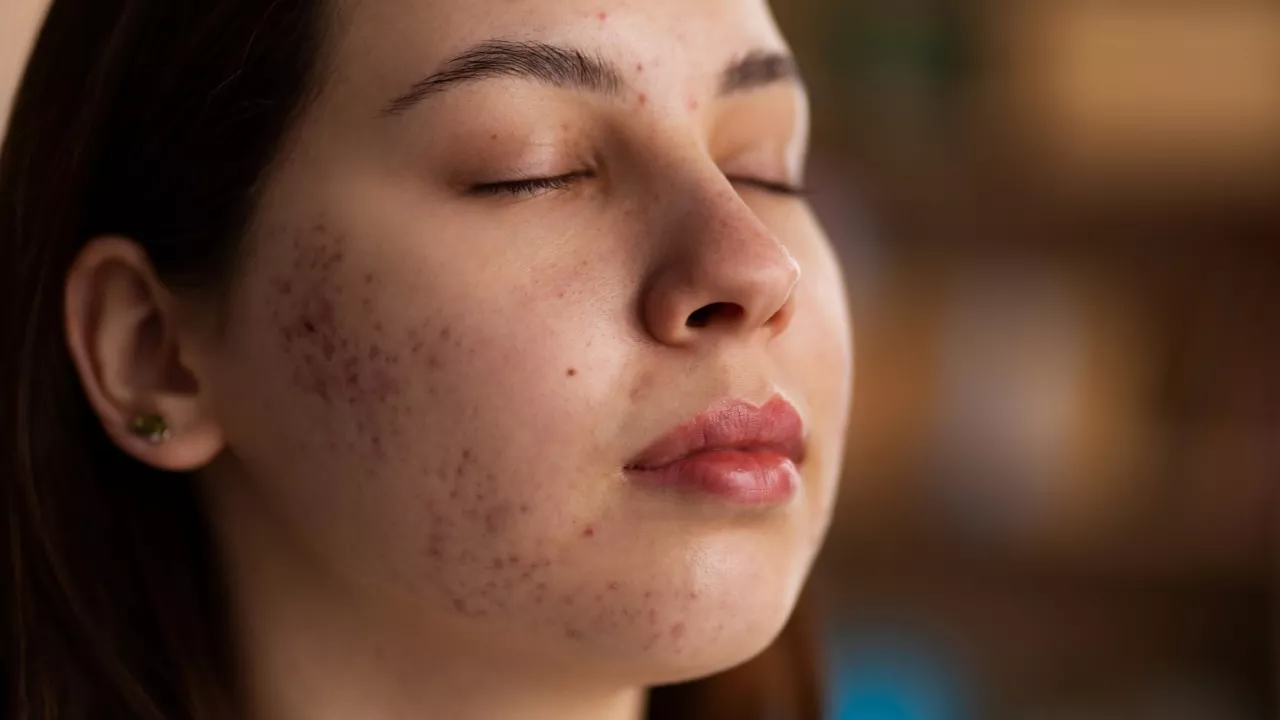
Acne scars are permanent changes in skin texture that occur when the skin’s natural structure is damaged during the healing process of pimples. They usually develop after deep and inflammatory acne lesions. They may appear as depressions, raised scars, or irregularities on the skin’s surface.
Inflammation caused by acne can damage collagen fibers in the deeper layers of the skin. When insufficient collagen forms during healing, depressed scars develop. Excessive collagen production, on the other hand, can lead to raised scars.
Acne scars most commonly appear on the cheeks, temples, forehead, and chin. They may also develop on the back, shoulders, and chest. Squeezing deep pimples can particularly increase the risk of scarring.
What Is the Difference Between Acne Scars and Acne Marks?
The main difference between acne scars and acne marks is whether a permanent change occurs in the skin’s texture. Acne marks usually involve changes in skin color. Acne scars, however, affect both the surface and deeper structure of the skin.
Red marks that remain after pimples are associated with vascular changes caused by inflammation. Brown marks develop due to increased melanin production. These discolorations may gradually fade over time.
Depressed or raised acne scars involve more than changes in skin color. The skin’s collagen structure is also affected. Therefore, treatments used for pigmentation may not be sufficient to correct deep scars on their own.
When skin discoloration is the main concern, spot treatments may be considered. Depressed scars may require procedures that target the skin’s underlying structure.
What Are the Different Types of Acne Scars?
Acne scars are classified into different groups based on their appearance and tissue characteristics. The most common types of depressed scars are ice pick, boxcar, and rolling scars. Raised scars, known as hypertrophic scars and keloids, may also develop.
| Type of Acne Scar | Appearance | Potential Treatment Methods |
|---|---|---|
| Ice Pick | Narrow, small, and deep depressions | TCA CROSS, scar surgery |
| Boxcar | Round or oval depressions with sharply defined edges | Fractional laser, microneedling, selected surgical procedures |
| Rolling | Wide, wave-like depressions with smooth edges | Subcision, fillers, laser treatment |
| Hypertrophic Scar | Raised, firm scars above the skin’s surface | Corticosteroid injections, laser treatment |
| Keloid | Raised scars that may extend beyond the original wound boundaries | Scar-specific injections and combination treatments |
Ice Pick Acne Scars
Ice pick scars are narrow, deep scars that resemble small holes in the skin’s surface. Because they extend into deeper skin layers, superficial treatments may provide limited improvement.
A targeted chemical procedure called TCA CROSS may be considered for these scars. Some deep scars may also require minor surgical procedures.
Boxcar Acne Scars
Boxcar scars are round or oval depressions with clearly defined edges. They may be shallow or deep.
Laser treatment and microneedling may be used for superficial boxcar scars. Deeper scars may require a combination of different procedures.
Rolling Acne Scars
Rolling scars are wide depressions that create a wave-like appearance on the skin’s surface. They are often associated with firm fibrous bands beneath the skin.
These bands pull the skin downward, creating visible depressions. Subcision is a procedure designed to release these fibrous attachments.
Raised Acne Scars
Raised scars develop when excessive collagen forms during the healing process. Hypertrophic scars remain within the original wound boundaries, while keloids can grow beyond them.
Treating these scars requires a different approach from treating depressed scars. Steroid injections and other scar treatments may be considered.
How Is Acne Scar Treatment Performed?
Acne scar treatment involves selecting procedures according to the type of scars and combining different methods when necessary. A skin examination is performed before treatment. The depth and distribution of the depressions, along with the skin’s healing characteristics, are evaluated.
The first step is to determine whether active acne is under control. Ongoing inflammatory acne can cause new scars to develop. Therefore, some patients may first require acne vulgaris treatment.
During scar treatment, the treatment area is cleaned, and a topical anesthetic cream or local anesthetic injection may be used depending on the selected procedure. Laser and microneedling treatments create a controlled healing response in the skin. During subcision, the fibrous attachments responsible for skin depressions are mechanically released.
After the procedure, patients receive instructions on protecting and caring for their skin. The treatment process is monitored at regular intervals according to the skin’s healing response.
What Methods Are Used for Acne Scar Treatment?
Fractional laser, microneedling, radiofrequency, subcision, and chemical procedures are among the methods used to treat acne scars. The choice of treatment depends on the structure of the scars, skin tone, and expected recovery time.
Fractional Laser Treatment for Acne Scars
Fractional laser is a treatment that stimulates collagen production by creating controlled microscopic treatment zones in the skin. It is particularly used to reduce the appearance of shallow and moderately deep depressed scars.
Fractional CO2 and Er:YAG lasers are among the technologies used for acne scars. They stimulate skin renewal in the upper and deeper layers, aiming to reduce irregularities in skin texture.
The type of laser and treatment intensity are determined according to the skin’s characteristics. Deep or tethered scars may require laser treatment combined with other procedures.
Gold Needle Radiofrequency Treatment for Acne Scars
Gold needle radiofrequency is a procedure that delivers radiofrequency energy to specific skin depths through microneedles. It is also known as fractional radiofrequency treatment.
The controlled heating effect produced during the procedure stimulates collagen production. This aims to reduce the appearance of depressed scars and irregular skin texture.
Gold needle radiofrequency may be considered for superficial and moderately deep atrophic scars. It can also be an option for patients with darker skin tones when appropriate settings are used. However, the risks of pigmentation changes and other side effects are not completely eliminated.
Dermapen Treatment for Acne Scars
Dermapen is a treatment that creates controlled microscopic channels in the skin using fine needles. This procedure, known as microneedling, aims to stimulate the skin’s natural repair process.
It may be considered for superficial depressed scars and mild skin texture irregularities. Because new collagen formation takes time, improvements develop gradually.
Dermapen treatment usually requires multiple sessions. It may not be sufficient on its own for very deep ice pick scars or tethered rolling scars.
Subcision for Acne Scar Treatment
Subcision is a procedure that releases firm fibrous bands pulling depressed acne scars downward. It is particularly used for rolling acne scars.
After local anesthesia, a fine needle or cannula is inserted beneath the skin. The fibrous tissue responsible for the depression is carefully released. This may reduce the downward pulling effect on the skin.
Bruising, tenderness, and swelling may occur after subcision. Laser treatments or fillers may be added to the treatment plan for some patients.
TCA CROSS Treatment for Acne Scars
TCA CROSS is a targeted chemical treatment used particularly for narrow and deep acne scars. During the procedure, trichloroacetic acid is carefully applied inside the selected scars.
This method aims to stimulate a healing response within the scar and reduce its depressed appearance. Small crusts may develop after the procedure.
TCA CROSS is not a chemical treatment that should be performed at home. Incorrect application can cause permanent pigmentation, burns, and new scars.
Chemical Peels and Dermal Fillers
Chemical peeling is a procedure that promotes skin renewal at specific depths using selected acids. It may be considered particularly for superficial irregularities and pigmentation changes following acne.
Dermal fillers may be used to provide volume support beneath selected depressed scars. They can help improve the skin’s surface appearance in certain types of atrophic scars.
These procedures have different effects and purposes. The duration of filler results depends on the product used. Chemical peeling alone may not be sufficient to correct deep, tethered scars.
Who Is a Suitable Candidate for Acne Scar Treatment?
Acne scar treatment may be considered for individuals with permanent depressed or raised scars following acne. It is not limited to a specific age group. However, skin development, active acne, and general health conditions are taken into account.
Treatment may be considered particularly in the following situations:
- Depressed acne scars on the cheeks, forehead, or chin
- Noticeable skin texture irregularities following acne
- Raised scars caused by previous acne
- A desire to reduce the appearance of older acne scars
- Active acne that has been brought under control
However, not every procedure is suitable for every patient. Certain treatments may need to be postponed if an active skin infection, open wound, or significant inflammation is present.
A tendency to develop keloids, healing problems, and medication use must also be evaluated. Treatment selection requires particular care in patients taking isotretinoin. The same waiting period does not apply to every procedure.
The suitability of elective procedures during pregnancy and breastfeeding also requires individual assessment.
What Should Be Considered Before Acne Scar Treatment?
Before acne scar treatment, the skin’s current condition and the products being used should be evaluated. Maintaining a healthy skin barrier is particularly important before laser and microneedling procedures.
Sunburn should be avoided before treatment. Patients should inform their dermatologist about products containing retinoids, acids, or exfoliating ingredients. If these products need to be discontinued, the dermatologist will determine the appropriate period.
A history of cold sores, a tendency to develop pigmentation, or previous keloid formation should also be reported. Regularly used medications and previous cosmetic procedures must also be disclosed.
Pre-treatment assessment is not performed solely to select the appropriate device. It also helps manage potential side effects and establish realistic expectations.
How Many Sessions Are Needed for Acne Scar Treatment?
Acne scar treatment usually requires multiple sessions. The number of sessions depends on the depth and extent of the scars and the treatment method used.
For example, microneedling and radiofrequency treatments may involve approximately 3 to 6 sessions. Fractional laser treatment may require fewer or more sessions depending on the treatment intensity. These figures do not represent a fixed treatment plan.
The skin needs sufficient time to heal between sessions. Because collagen production continues after treatment, the final results cannot be assessed immediately after each session.
Deep ice pick and rolling scars may require a combination of different methods. In such cases, the overall treatment period may be longer.
How Long Does Recovery Take After Acne Scar Treatment?
Recovery time after acne scar treatment varies depending on the method used and the intensity of the procedure. Redness may be short-lived after some treatments, while more intensive procedures may cause crusting and tenderness.
| Treatment Method | What to Expect During Initial Recovery |
|---|---|
| Fractional Laser | Redness for several days; crusting may last approximately one week or longer after intensive treatments |
| Gold Needle Radiofrequency | Usually 1-3 days of redness and mild swelling |
| Dermapen | Usually 1-3 days of redness and tenderness |
| Subcision | Bruising and swelling that may last from several days to 2 weeks |
| TCA CROSS | Small, localized crusts that generally heal within 1-2 weeks |
These are approximate recovery periods. They may vary according to skin type and treatment depth.
What Should You Avoid After Acne Scar Treatment?
After treatment, the skin should be cleansed and moisturized according to the dermatologist’s recommendations. Sun protection is especially important for reducing the risk of post-treatment pigmentation.
Crusts should not be picked, and the skin should not be rubbed aggressively during healing. Exfoliating products, retinoids, and irritating ingredients should be avoided for the period recommended by the doctor.
The time required before wearing makeup varies according to the procedure. After intensive laser treatments, patients may need to wait until the skin’s surface has healed.
Medical evaluation is necessary if symptoms such as increasing pain, spreading redness, pus-like discharge, or fever develop.
When Will Acne Scar Treatment Results Become Visible?
Acne scar treatment results generally develop gradually over several weeks or months. This is because the formation of new collagen in the skin takes time.
Changes in skin texture may continue for several months after laser, gold needle radiofrequency, and microneedling procedures. Some patients may notice differences in their skin’s appearance after the first few sessions. However, the final assessment is made after the planned procedures and recovery period are completed.
Subcision and filler treatments may produce earlier changes in the appearance of depressed scars. Some of these early changes may result from temporary swelling. The healing process must be completed before long-term tissue changes can be assessed.
Treatment success is not measured solely by whether scars disappear completely. The primary goals are to make skin depressions less noticeable and improve overall skin texture.
What Are the Risks of Acne Scar Treatment?
The most common side effects of acne scar treatment include redness, swelling, tenderness, and temporary skin dryness. Bruising or crusting may also occur depending on the procedure.
Less commonly, infection, prolonged pigmentation changes, burns, and new scar formation may develop. The risk of post-inflammatory hyperpigmentation should be considered particularly in darker skin tones. Hyperpigmentation refers to the development of dark patches on the skin.
The risk of side effects is associated with the energy level used, treatment depth, skin type, and aftercare. A dermatological assessment before treatment plays an important role in managing these risks.
Acne Scar Treatment Prices 2026
Acne scar treatment prices in 2026 depend on the method used, the depth of the scars, and the number of sessions required. Since not all acne scars are treated using the same procedure, there is no standard treatment fee.
The treatment required for a patient with a limited number of depressed scars on the cheeks differs from that of a patient with several types of scars across the entire face.
Procedures such as fractional laser, gold needle radiofrequency, Dermapen, and subcision have different treatment durations and application requirements. Some patients may benefit from a single method, while others may need a combination of procedures.
The main factors affecting acne scar treatment prices include:
- The type and depth of acne scars
- The location and size of the affected area
- The laser or other treatment technologies used
- The planned number of sessions
- Additional procedures included in the treatment plan
- Post-treatment care and follow-up requirements
The total cost of acne scar treatment becomes clear after the treatment plan is established during the initial consultation. It would not be appropriate to provide an exact price without a verified, current treatment fee.
Frequently Asked Questions
Can Acne Scars Be Completely Removed?
Complete removal of acne scars is not always possible. However, appropriate dermatological treatments can reduce the appearance of depressed and raised scars. Results depend on the structure and depth of the scars and the skin’s response to treatment.
Do Acne Scars Go Away on Their Own?
True acne scars generally do not disappear completely on their own. Red and brown marks that develop after pimples may gradually fade over time. However, treatment may be necessary to improve noticeable depressions in the skin’s texture.
Is Acne Scar Treatment Painful?
Acne scar treatment may cause mild stinging, burning, or pressure during the procedure. A topical anesthetic cream is generally applied before laser and microneedling treatments. Local anesthesia may be used for procedures such as subcision. The level of discomfort depends on the treatment method.
Can Old Acne Scars Be Treated?
Yes, the appearance of acne scars that have been present for many years can also be improved with treatment. The age of a scar alone does not prevent treatment. Its depth and structure are more important when determining the appropriate method.
Can Acne Scar Treatment Be Performed During Summer?
Acne scar treatment may also be planned during the summer months. However, sun exposure can increase the risk of pigmentation after certain laser and chemical procedures. The type of treatment and the patient’s ability to protect the skin from the sun should be evaluated.
Which Doctor Should You See for Acne Scars?
You should consult a dermatologist for acne scar treatment. A dermatologist evaluates the type of scars and the skin’s characteristics to determine appropriate treatment options. If active acne is present, it may need to be controlled before scar treatment begins.
Can Acne Scar Creams Remove Depressed Scars?
Acne scar creams cannot eliminate deep, depressed scars on their own. Certain products containing retinoids or acids may help improve mild surface irregularities. Deeper scars may require procedures that target the underlying layers of the skin.
Are Acne Scar Treatment Results Permanent?
Structural improvements achieved through acne scar treatment may be maintained for a long time. However, not all treatments have the same duration of effect. The results of dermal filler treatments, in particular, may gradually diminish. New acne lesions may also lead to the formation of new scars.
Can Acne Scar Treatment Be Performed While You Still Have Active Acne?
Some scar treatment procedures may need to be postponed when active inflammatory acne is present. Controlling acne first can help prevent the development of new scars. The decision to proceed with treatment is made after a dermatological evaluation.
Which Is More Effective for Acne Scars: Laser or Gold Needle Radiofrequency?
Fractional laser and gold needle radiofrequency are two different methods that can be effective for acne scar treatment. Laser treatment may be considered for resurfacing the skin. Gold needle radiofrequency uses radiofrequency energy to stimulate collagen production in deeper tissues. The choice of treatment depends on the type of scars, skin tone, and recovery requirements.